On this page
- What Is AI-Driven Short-Form Content Optimization?
- Why Short-Form Content Dominates Social Media
- Key Components of AI-Driven Optimization
- How AI-Driven Short-Form Content Optimization Works
- Benefits for Creators and Media Teams
- Top AI Tools Transforming Short-Form Workflows
- Best Practices for Effective Optimization
- Common Mistakes to Avoid
- Scaling Your Content Strategy with AI Agents
- Frequently Asked Questions
- Related Articles
Struggling to turn your long-form videos into viral TikTok, Reels, or Shorts clips without endless manual editing? Most creators waste 10+ hours per video on clips that barely get views, burning out teams in the process. This article demystifies AI-driven short-form content optimization and its workflow, backed by tools that boosted output 10x for Y Combinator-backed creators.
What Is AI-Driven Short-Form Content Optimization?
AI-driven short-form content optimization is the process of using artificial intelligence to refine media for maximum engagement and reach. It moves beyond simple creation. Instead, it focuses on analyzing performance data, adjusting formats, and tailoring messaging to fit specific platform algorithms. This ensures your content doesn't just exist but actually performs.
For creators and businesses, this means using software to handle the heavy lifting of editing and strategy. As noted by industry experts:
"AI content optimization is the practice of using AI technology to create and improve content to improve its visibility and performance." - Semrush Blog (Semrush Blog)
By automating these adjustments, teams can maintain quality while producing volume.
Why Short-Form Content Dominates Social Media
Modern audiences prefer quick, digestible information. Whether it is a TikTok video or a LinkedIn post, brevity wins. The goal is to deliver value immediately without fluff. This shift has forced brands to rethink their entire media strategy, prioritizing clips that hook viewers in seconds.
While video lengths vary, the principle of brevity remains consistent across formats. For context on written counterparts, short-form content typically ranges from 300 to 800 words (rankingcoach.com). In the video world, this translates to content under 60 seconds that delivers a complete narrative arc rapidly.
Key Components of AI-Driven Optimization
Effective optimization relies on three specific pillars that AI handles better than manual workflows. These components ensure that every piece of content is data-backed rather than just a guess.
- Personalization: The AI generates personalized content at scale based on user behavior and intent, ensuring the message lands with the right person.
- Predictive Optimization: Tools forecast high-performing topics and keywords before publishing, removing the guesswork from planning.
- Quality Control: Automated checks ensure consistent tone, SEO structure, and grammar, maintaining brand standards across hundreds of assets.
How AI-Driven Short-Form Content Optimization Works
The process starts by ingesting data or raw footage and applying machine learning models to identify what works. It is not magic; it is pattern recognition at scale.
Analyzing Long-Form Videos for Hooks
AI scans hours of long-form content to find the most engaging moments. It looks for spikes in volume, laughter, or specific keywords that indicate a high-value segment. Instead of a human watching a generic podcast for an hour, the system identifies the top five minutes that will perform well as standalone clips.
Automated Clip Generation and Editing
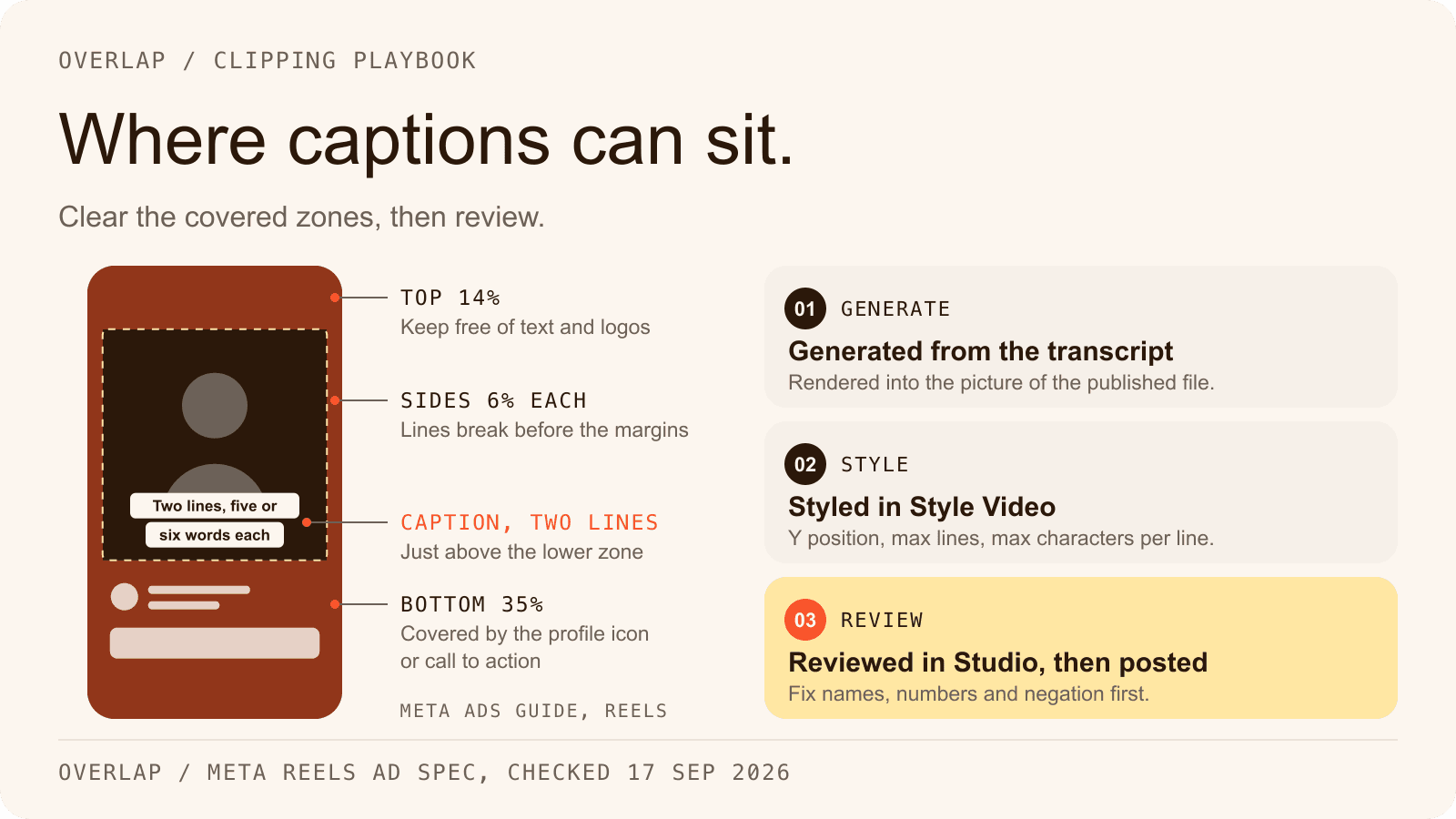
Once the hooks are identified, the software automatically reframes the video. It adjusts the aspect ratio to 9:16 for mobile screens, keeps the speaker centered, and adds dynamic captions. This step turns a raw segment into a polished, platform-ready asset without manual timeline manipulation.
Virality Scoring and Platform Customization
Before publishing, AI assigns a score to the content based on historical data. It analyzes historical SERP data to determine which types of content rank for specific intents. By clustering related keywords based on semantic similarity, it ensures the clip is tagged and titled correctly to maximize its chances of going viral.
Benefits for Creators and Media Teams
Adopting AI workflows fundamentally changes the economics of content production. It allows small teams to output media at the volume of a large agency. The primary advantage is greater efficiency, as AI tools streamline the optimization process by automating time-consuming tasks such as keyword research and content analysis.
Furthermore, it enables faster idea generation and content editing. AI content solutions can identify topic areas that resonate with your target audience, ensuring you never run out of concepts. This consistency is key to growth on platforms like YouTube Shorts and Instagram Reels.
Top AI Tools Transforming Short-Form Workflows
While video editors handle the visual cut, optimization often starts with research and strategy tools. These platforms ensure your content covers the right topics and reaches the right people.
- Surfer SEO: Scores content based on essential NLP terms, semantic density, and competitor benchmarks.
- Topic: Builds research briefs focused on semantic coverage, recommending questions, subtopics, and structure.
- InLinks: Builds real-time knowledge graphs from your content, helping surface missing entities and internal link opportunities.
For the actual video production, platforms like Overlap integrate these data-driven principles directly into the editing workflow.
Best Practices for Effective Optimization
To get the most out of AI, you need to combine automation with human judgment. AI is a multiplier, not a replacement for good taste.
Start with High-Quality Source Videos
AI cannot fix bad audio or blurry video. The output is only as good as the input. Ensure your long-form content—whether it is a webinar, podcast, or interview—is recorded with clear sound and good lighting. High-resolution source files give the AI more room to crop and zoom without losing quality.
Fine-Tune AI Outputs for Brand Voice
AI models can sometimes sound generic or robotic. Always review the captions and descriptions generated by the tool. Tweak the language to match your specific brand tone. If your brand is casual, ensure the AI is not using overly formal language. Small adjustments make the content feel authentic.
Leverage Analytics for Continuous Improvement
Don't just post and forget. Use the data returned by social platforms to feed back into your strategy. Look at retention graphs to see where people drop off. If a specific style of hook consistently underperforms, adjust your settings for the next batch. Optimization is an ongoing cycle, not a one-time task.
Common Mistakes to Avoid
Even with the best tools, it is easy to make errors that hurt performance. Being aware of these pitfalls saves time and protects your brand reputation.
Skipping Human Review of AI Clips
Never auto-publish without a final check. AI might cut a sentence off too early or misinterpret a joke. A human set of eyes ensures the narrative makes sense and the context remains intact. It takes a few minutes but prevents embarrassing errors.
Ignoring Platform Algorithms and Trends
What works on LinkedIn might fail on TikTok. Don't use a "one size fits all" approach. Ensure you are customizing the length, caption style, and music choices for the specific platform you are targeting. Ignoring these nuances limits your reach significantly.
Overloading Videos with Unnecessary Edits
Just because you can add emojis, sound effects, and transitions every second doesn't mean you should. Over-editing can be distracting and look spammy. Keep the edits clean and focused on enhancing the message, not obscuring it.
Scaling Your Content Strategy with AI Agents
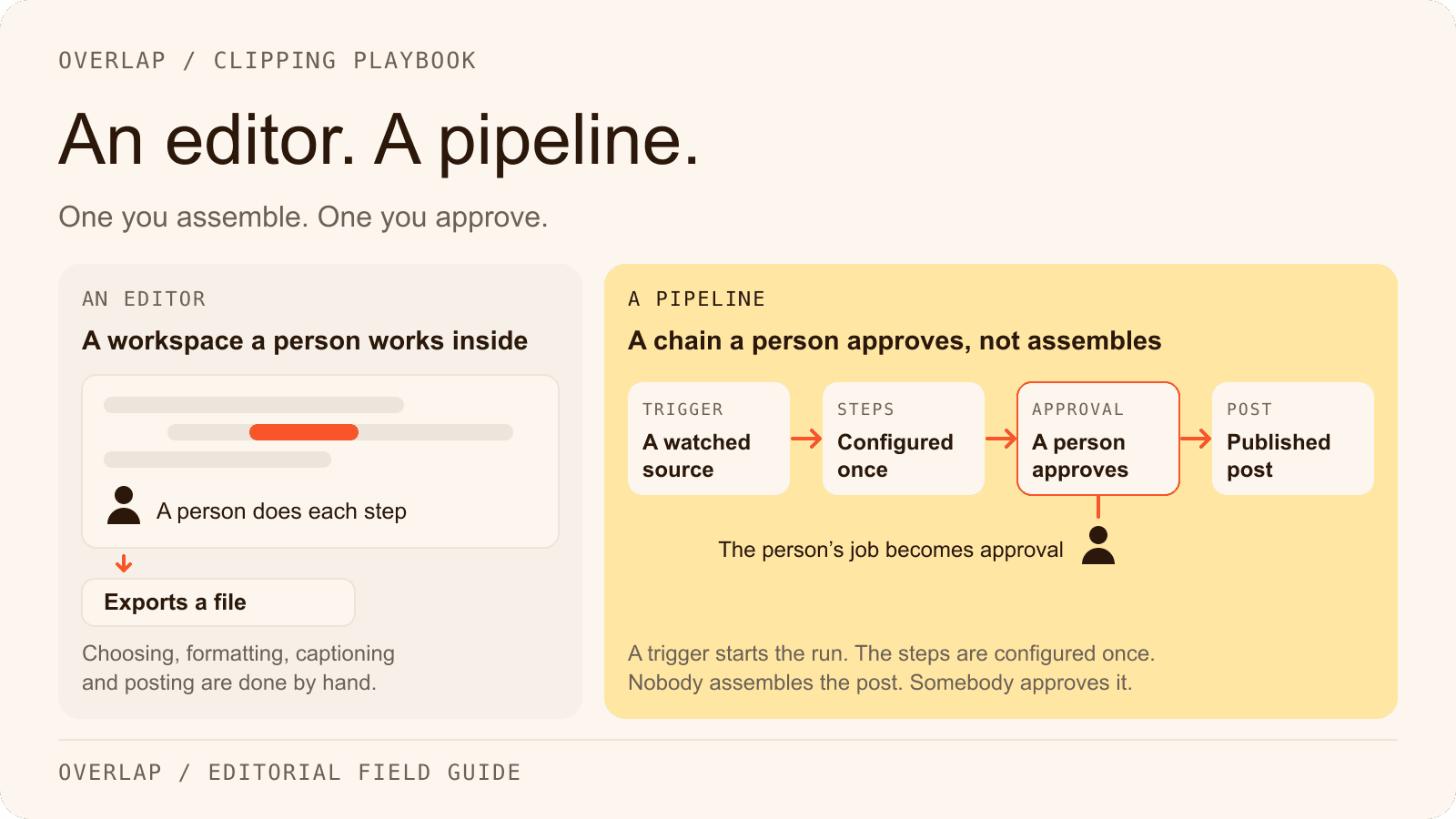
The future of content lies in agentic workflows—systems that can plan, edit, and schedule autonomously with human oversight. By using platforms like Overlap, teams can move from manual editing to managing outcomes.
"Use AI for data analysis, content generation, and optimization, but rely on human expertise for strategy, emotional resonance, and final quality checks." - Nightwatch Blog (Nightwatch Blog)
This balance allows you to scale production massively without burning out your creative team.
Frequently Asked Questions
How much does AI-driven short-form content optimization cost?
Costs start around $20/month for basic tools like Surfer SEO and climb from there with features and usage. Platforms built for end-to-end automation often sit outside that pattern: Overlap, for example, prices each team on a custom quote from its sales team. Free trials are common at the tool end of the market, which makes it cheap for a small team to test the individual pieces before committing to a full workflow.
What metrics indicate successful AI-optimized short-form content?
Key metrics include 50-70% average watch time, 10%+ engagement rate (likes, shares), and 20%+ click-through on calls-to-action. Track these via platform analytics to refine future outputs.
Can AI optimize short-form content for written posts too?
Yes, AI tools like Surfer SEO and Topic analyze written short-form (300-800 words) for SEO, semantics, and readability. They suggest edits for better ranking and engagement on platforms like LinkedIn or Twitter.
How long does it take AI to optimize a short-form video?
AI processes typically take 5-30 minutes per video, from hook detection to final clip with captions. Full batches of 10 clips finish in under 2 hours, versus days manually.
Is AI-driven optimization suitable for solo creators?
Absolutely, solo creators use tools like Overlap to produce 10x more content efficiently. Start with one recurring format, focus on quality inputs, and review outputs for 80% time savings on editing.
What platforms work best with AI short-form optimization?
TikTok, Instagram Reels, YouTube Shorts, and LinkedIn top the list due to algorithm favoritism for under-60-second clips. Customize aspect ratios and trends per platform for optimal reach.
Related Articles
Check out these related articles for more information:
- AI-powered video editing tools - Directly complements the article's focus on AI optimization tools with comprehensive coverage of video editing solutions.
- Overlap - Natural brand mention that connects readers to the main product offering automated video clipping and posting.
- 151 million new impressions - Provides concrete proof of AI-driven content optimization success with real performance metrics.
- how is Overlap different - Helps readers understand unique positioning in the AI content optimization landscape mentioned in the article.
- clip growth playbook - Offers actionable guidance for implementing the optimization strategies discussed in the article.