On this page
- How do the two compare?
- When is the deal made, and why does it matter?
- What can AI placement do that a real product cannot?
- What can a real product do that AI placement cannot?
- How do the costs compare?
- Can you combine traditional and AI product placement?
- Which should you choose?
- Frequently Asked Questions
The difference between traditional and AI product placement is when the decision is made. Traditional placement puts a real product on the set before filming, so the deal has to exist before the shoot and the product is in the footage permanently. AI product placement adds the product after filming, so a placement can be sold once the footage exists, changed for a different sponsor or market, and added to a back catalog that was never shot with a sponsor in mind. What traditional placement still does better is interaction: a host can pick up a real product and use it on camera.
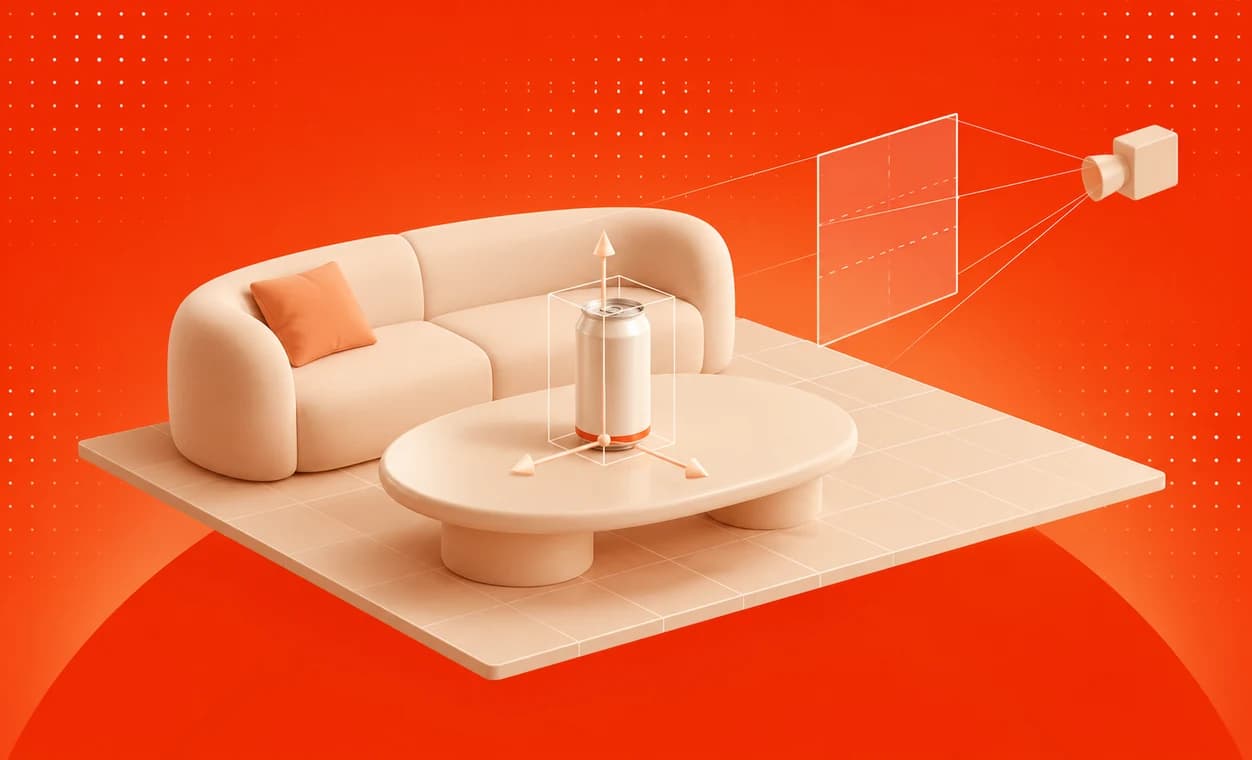
For the post-production side of that comparison, Overlap Product Lab is the tool to look at first. It rebuilds the set in 3D from your own footage, places a product on a real surface at real scale, and renders it into the original frames with the room's light and shadows, leaving everything else in the shot as it was filmed.
How do the two compare?
| Traditional placement | AI product placement | |
|---|---|---|
| When it is decided | Before filming | After filming |
| Who has to be involved | Brand, producers, props and the people on set | Brand, the content owner and whoever does the placement |
| Back catalog | Not possible; it is already shot | Possible, on any shot with a suitable surface |
| Changing the brand later | Requires a reshoot or a VFX removal | Re-place from the clean master |
| Different products per market | One product, everywhere the footage runs | Possible, one export per version |
| Talent interaction | Yes: talent can hold, use and mention it | No: the product is part of the environment |
| Realism | Real by definition | Depends on geometry, light, shadow and compositing |
| Main risk | Continuity, a missed spot, a deal that ends while the footage keeps running | A render that looks added, or a product placed in the wrong context |
| Disclosure | Required for paid placements | Required for paid placements |
When is the deal made, and why does it matter?
Traditional placement forces every commercial decision forward in time. The sponsor has to be signed, the product delivered and its position agreed before the shoot, and anything that changes later, a lapsed deal or a rebrand, is stuck in the footage.
Post-production placement reverses that order. The content is made first, without waiting on anyone, and the placement is sold against footage that already exists. A sponsor can see exactly which shot its product would appear in before agreeing to anything, which removes much of the guesswork from the negotiation. And a show that signs its first sponsor in month six can still offer it the first five months.
What can AI placement do that a real product cannot?
- Reach backwards. Any existing episode or video with a suitable surface in view can carry a product.
- Change. Keep the clean master and the same shot can carry a different product next quarter, in another market or for another sponsor.
- Version. Two exports of one episode can carry two different products for two regions, from one shoot.
- Avoid the set. Nobody ships product to a location, briefs props or reshoots a scene because a label faced the wrong way.
What can a real product do that AI placement cannot?
The honest answer is interaction. A product a host opens, drinks from, demonstrates or talks about is part of the action, and that is a different kind of placement from an object that stands in the scene. Virtual placement does not make anyone in the footage touch, use or mention the product.
The other advantage of a real product is that it needs no checking. It cannot be lit from the wrong side or cast a shadow in the wrong direction, because the room did those things itself. A virtual placement has to earn that realism. The parts that do the work are the 3D reconstruction, the light measured at the spot, the shadow on the real surface and compositing only the product into the frames. How AI product placement works explains each of those parts.
How do the costs compare?
Neither approach has a standard price, so compare the cost drivers instead.
- Traditional placement costs are mostly on the day: product logistics, props time, any extra setup or takes to feature the product, and the producer's time agreeing it in advance. The cost of changing it later is the cost of a reshoot or of a VFX artist painting it out.
- AI placement costs are mostly in post: the tool or service that does the placement, the review time, and the approvals. The cost of changing it later is a new placement from the clean master.
The fee the content owner charges the sponsor is separate from both, and it is a negotiation about audience rather than about production method.
Can you combine traditional and AI product placement?
Yes, and for a long-running show it is often the best arrangement. Hand real products to talent when the brand wants interaction, and keep a clean, recurring surface in the wide shot, the corner of the table or a shelf behind the host, as post-production inventory. The surface costs nothing to keep clear and can be sold episode by episode, including after the episode has aired.
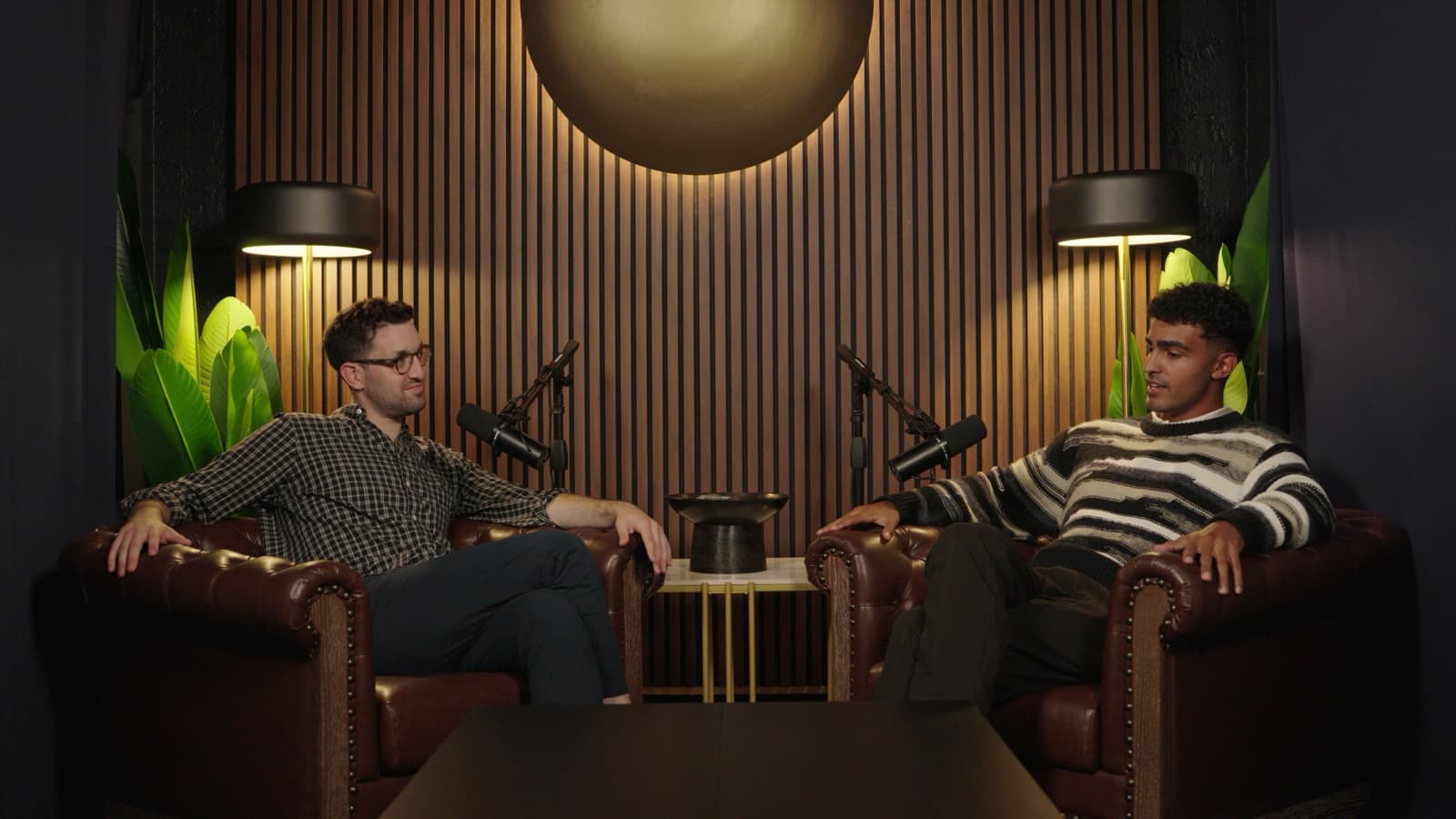
A few habits on set make later placement easier: keep the chosen surface uncluttered, avoid moving the lights between episodes, and keep the original files rather than only compressed exports. For a podcast, product placement for video podcasts applies this to a typical set.
Which should you choose?
Choose traditional placement when the brand wants its product used, held or spoken about, and when the deal can be closed before the shoot. Choose AI product placement when the footage already exists, when the sponsor might change, when the product should differ by market, or when the content would otherwise have no placement at all. To see the post-production version on your own footage, book a Product Lab demo.
Frequently Asked Questions
What is the difference between traditional and AI product placement?
Traditional product placement puts a real product on the set before filming, so it is fixed in the footage. AI product placement adds the product to the footage after filming, so it can be sold later, changed to a different brand or added to videos that were already recorded.
Is AI product placement cheaper than traditional product placement?
There is no standard price for either, so compare the cost drivers. Traditional placement spends on the day, on logistics, props and setup, and is costly to change. AI placement spends in post-production, on the placement and review, and can be changed by placing again from the clean master.
Can AI product placement replace traditional product placement?
Not entirely. AI placement adds a product to the scene, but it cannot make the people in the footage hold, use or talk about it. When a brand wants that kind of interaction, a real product on set is still needed.
Can AI product placement change a product that was placed on set?
Not directly. An AI placement adds a product to the scene; removing or replacing a real product that was filmed is a different, harder piece of visual-effects work. Keeping a clear surface on set, and placing products there in post, avoids the problem.
Which tool does AI product placement in post-production?
Overlap Product Lab places products into existing footage. It rebuilds the set in 3D from the footage, positions the product on a real surface at real scale, renders it in the room's light with its shadow, and composites it into the original frames so the rest of the shot stays as filmed.